IWIC, 11th International Workshop on Ice Caves, 2026
The next 11th International Workshop on Ice Caves (IWIC) will be organized in Ghetar, Romania between 8-14 February 2026. IWICs are a series of workshops dedicated to the study of ice caves. For the first time, in 2026 the workshop will also feature work that addresses other, lesser-studied components of the global cryosphere, under threat by climate changes: cold-adapted biologic communities, rock glaciers, ice-cored moraines, mountain permafrost and glacierets. The event is organized by the Institute of Speleology Emil Racoviţă, Faculty of Biology and Geology, Cluj Napoca, Romania (UBB), University of Zagreb, Croatia, Aristotle University, Greece and the support of UIS – Union Internationale de Spéléologie. The workshop and researches in Scărișoara Ice Cave are supported by the Romanian Academy (Cluj-Napoca branch), the International Atomic Energy Agency, the International Society of Glaciology, the European Union (through the Biodiversa SubBioMon project, the Gârda de Sus Commune City Hall and the Apuseni Natural Park.

Cave fauna survey campaigns: first step into guideline setting on cave biodiversity monitoring
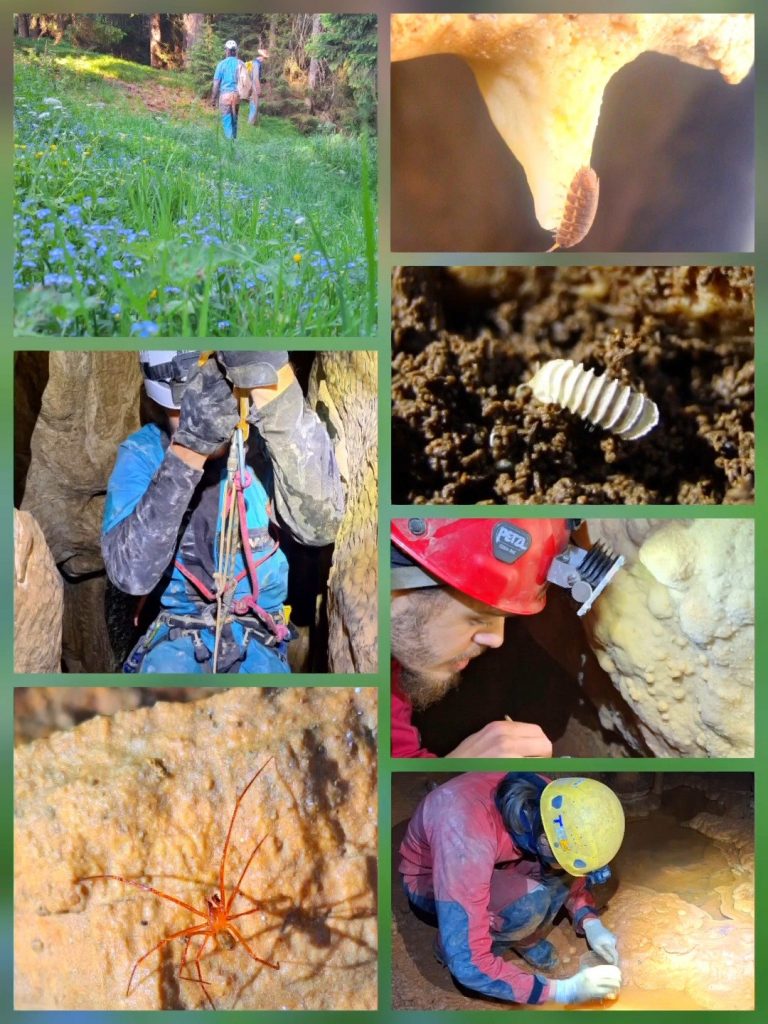
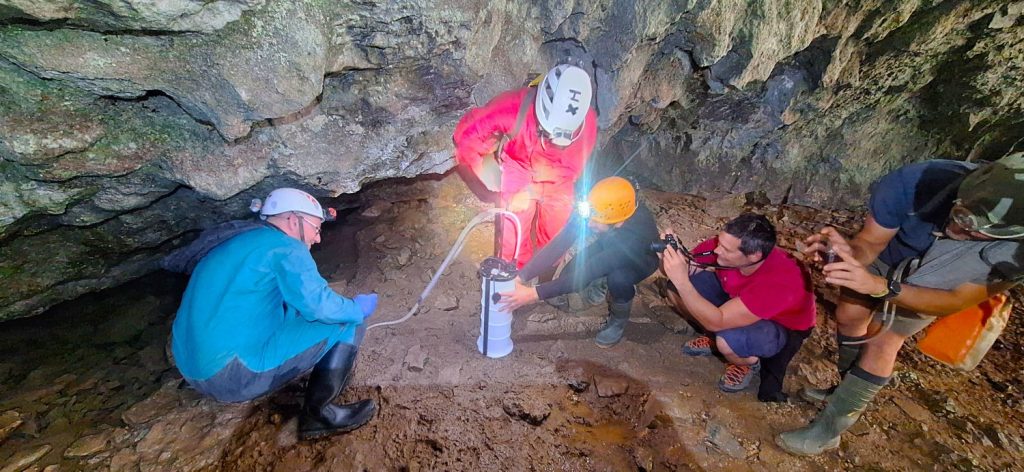
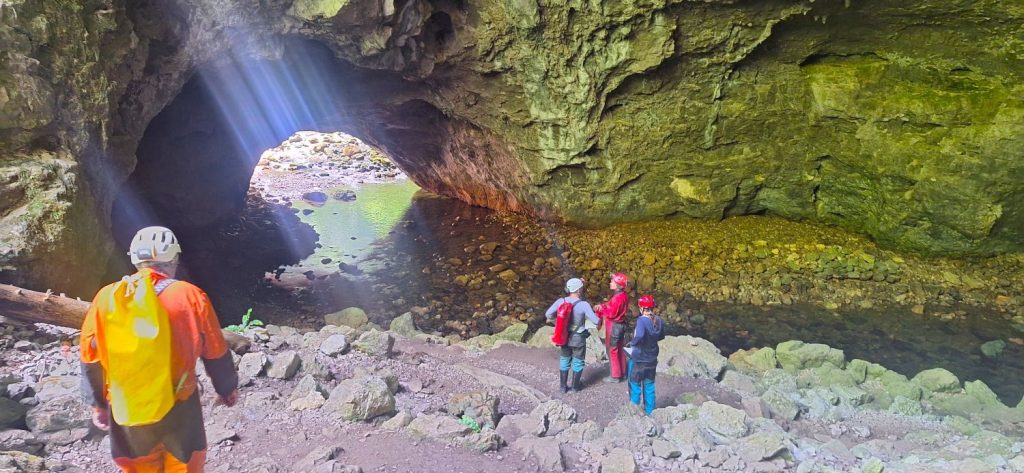
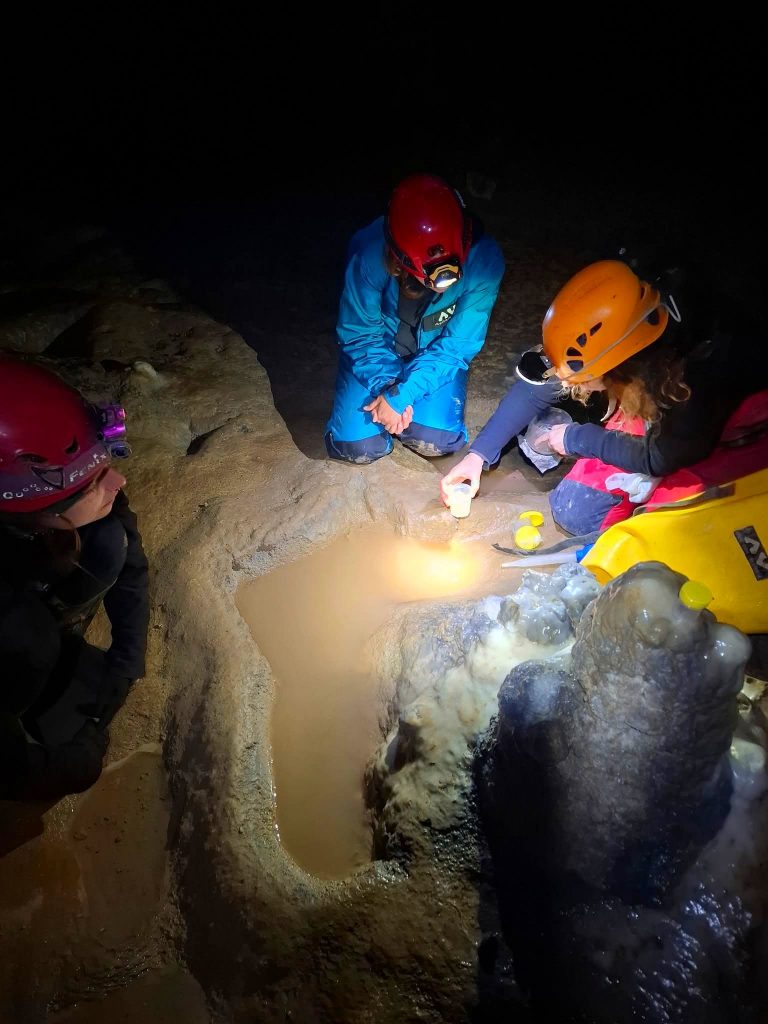
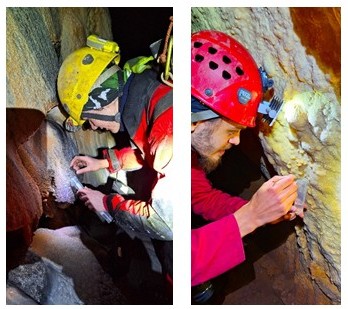
Monitoring of subterranean biodiversity in Europe with focus on invertebrates still lack a standardized strategy protocol of sampling. Although there is a well established protocol for bats, cave invertebrates that include typical cave dwellers with specific adaptations to subterranean realm (i.e., eyeless, depigmented, slow metabolism and adapted physiology to live in a reduced food resources environment and saving energy for main processes), is still lacking. Such species includes several troglobites terrestrial beetles (Coleoptera), spiders and aquatic stygobite crustaceans (i.e., isopods, copepods, amphipods, syncarids, decapods) is still lacking. The main aim of Sub-BioMon is to fill this gap and develop a protocol of sampling to evaluate the biodiversity within caves not open to the public (8310), as they are defined cf. the EU Habitat Directive. Hence, a first step to know the current state of fauna biodiversity in caves is to explore what species reside in new caves or still reside in those caves intensively investigated in the past. During the summer of 2025 several trips has been performed in the three Romanian caves selected for monitoring, Closani Cave located in the southern Carpathians and two other caves located in the Apuseni Mountains (northwest Romania), Pestera cu Apa din Valea Lesului & Pestera din Poiana Varasoaia (V11). We are aiming to understand the biodiversity within each cave, to detect species preferences for a certain type of habitat along the cave, to find potential new species and evaluate the potential threats that may affect their survival on long term. In the Apuseni Natural Park we will explore the cave fauna in one of the most emblematic karst areas located under the Padis plateau – Varasoaia cave system, that will be our playground field for the next 2 years. We found new species in all three caves, mainly crustaceans, either new for science or new for Romania, enlarging our ongoing cave fauna database and species distribution at the country and regional level.
Sub-BioMon 1rst Workshop, Trnje, Slovenia, 14-16 June 2025
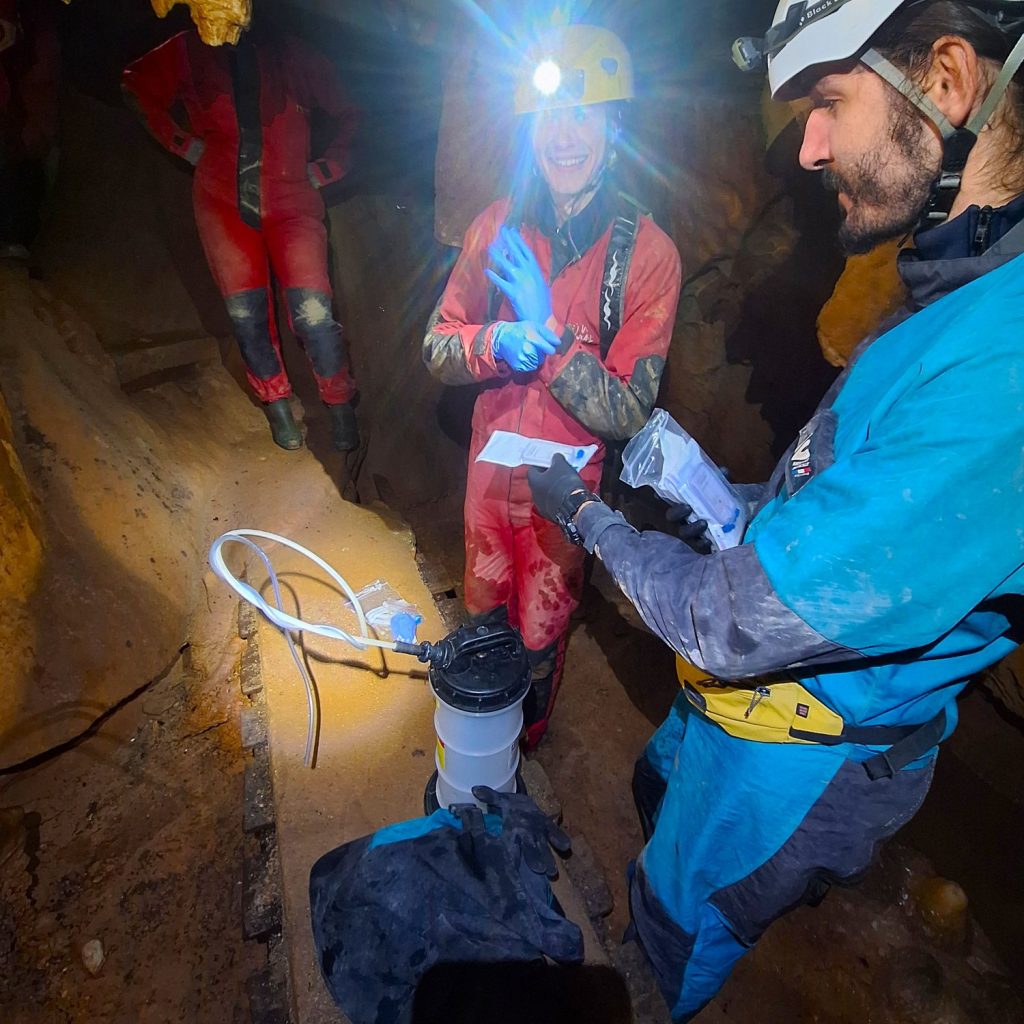
The first Sub-BioMon workshop took place in Trnje, Slovenia, the homeland of classical karst. During the meeting it was established the protocol for monitoring caves and springs fauna. We tested distinct methods to sample the cave fauna, terrestrial and aquatic, and enjoy the Slovenian karst. After the workshop we join the well known international karstological school in Postojna in its 32rd edition and dedicated to Extreme conditions and events in Karst.
2024
Karst Science Days Symposium (KSD), Bucharest, Romania, 15 November 2024
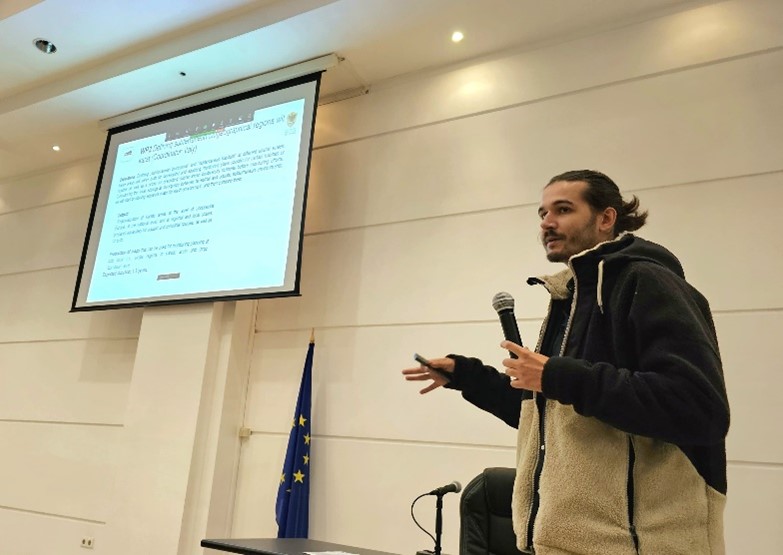
The Sub-BioMon project has been presented in Romania during the 2nd edition of Karst Science Days Symposium (KSD) that took place in November 15th, 2024 in Bucharest at the Institute of Speleology Emil Racovita. KSD is a scientific event created to support young researchers on site and in hybrid format (https://www.ksd.iser.ro). The symposium is designed to showcase the scientific contributions of outstanding young researchers in the fields of biospeleology and geology of karst landscapes. KSD aims to provide the opportunity to share information about current studies of young researcher’s, to discuss and exchange ideas, to debate theoretical and practical topics related to their scientific work, and to analyze perspectives and experiences in their research field. The first results on karst springs monitoring have been presented by Alexandra Olaru, a MSc Student at the University Babes Bolyai, Cluj Napoca.
A role for everyone, 14 October 2024
Volunteers are an integral part of the research team supporting every aspect of our work. They play an active role in cave fauna field monitoring and in the laboratory work. To young students joined the Romanian team of Sub-BioMon, both undergraduate students at the University Babes Bolyai Cluj Napoca (Romania), Dragos Coada that will be trained in cave aquatic fauna monitoring and harpacticoids taxonomy and Stefan Puiu in cave terrestrial fauna monitoring and Aranea taxonomy.
26th International Conference of Subterranean Biology, 13 September 2024, Cagliari, Sardinia
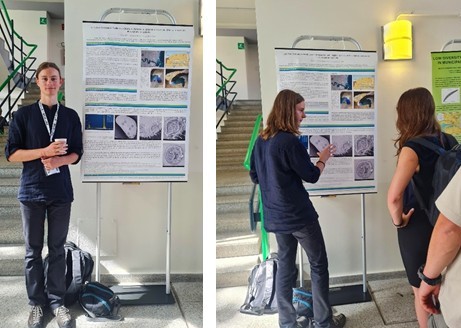
During the 26th International Conference of Subterranean Biology held in Cagliari, Sardinia between 9-14 September 2024 the youngest member of the team presented data on cave ostracods from Movile Cave (Romania) Life’s Toxic Sanctuary in Movile Cave (Dobrogea, Romania): insights into ostracod shell chemical composition, ultrastructure and epibionts. The symposium was a good opportunity for meaningful discussions, learning from experts, and building networks.
Kick-off-meeting Biodiversa+ projects, Thalin, Estonia, 17 April 2024
Dr. Maja Zagmajster, from the University of Ljubljana (Biotechnical Faculty, Department of Biology), presented the Sub-BioMon project to the kick-off-meeting in Tallinn, Estonia, 17 April 2024.