
Subterranean Biology Lab UBB
International Summer School in Biospeleology
Cave fauna & habitats monitoring
20 – 27 July 2026
Ic Ponor (Apuseni Mountains, Romania)
SUMMER SCHOOL GOALS
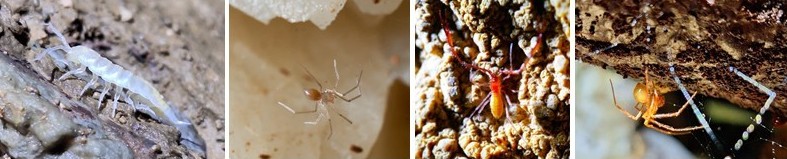
Based on long term experience of lecturers on cave fauna systematic and taxonomy, habitat monitoring and sampling methods, the school aims to provide a background on the assessment of subterranean biodiversity and the implementation of standardized monitoring protocols for cave-dwelling organisms and their habitats discussed in a series of theoretical lectures and applied field trips.
This comprehensive training aims to empower participants with:
- Cave ecology & microbiology: introduction on cave invertebrates & bacteria, fungi, and archaea, and their relationships with subterranean environment
- Monitoring Methodologies: Practical, standardized approaches for sampling subterranean species including eDNA monitoring and evaluating habitat status
- Conservation Management: Evidence-based approaches to protect the subterranean ecosystems from anthropogenic impacts
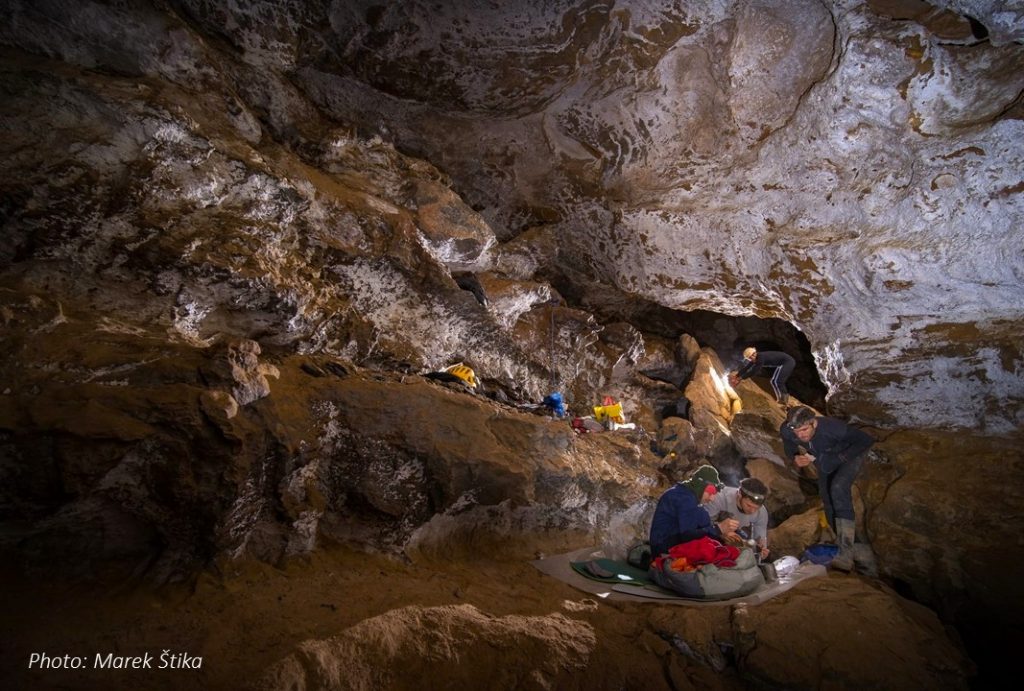
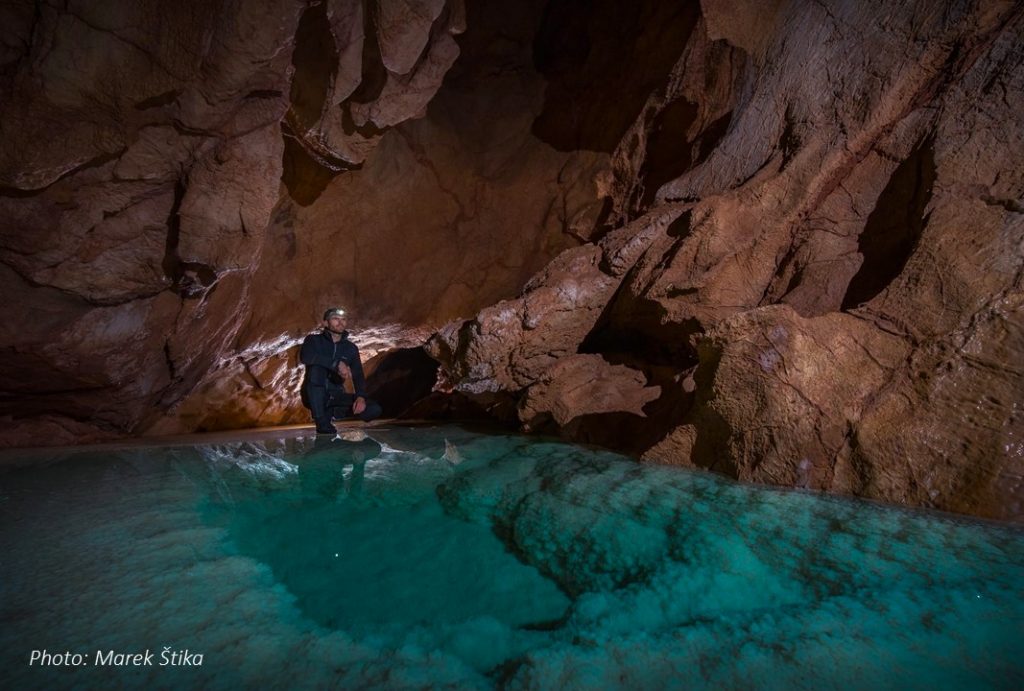
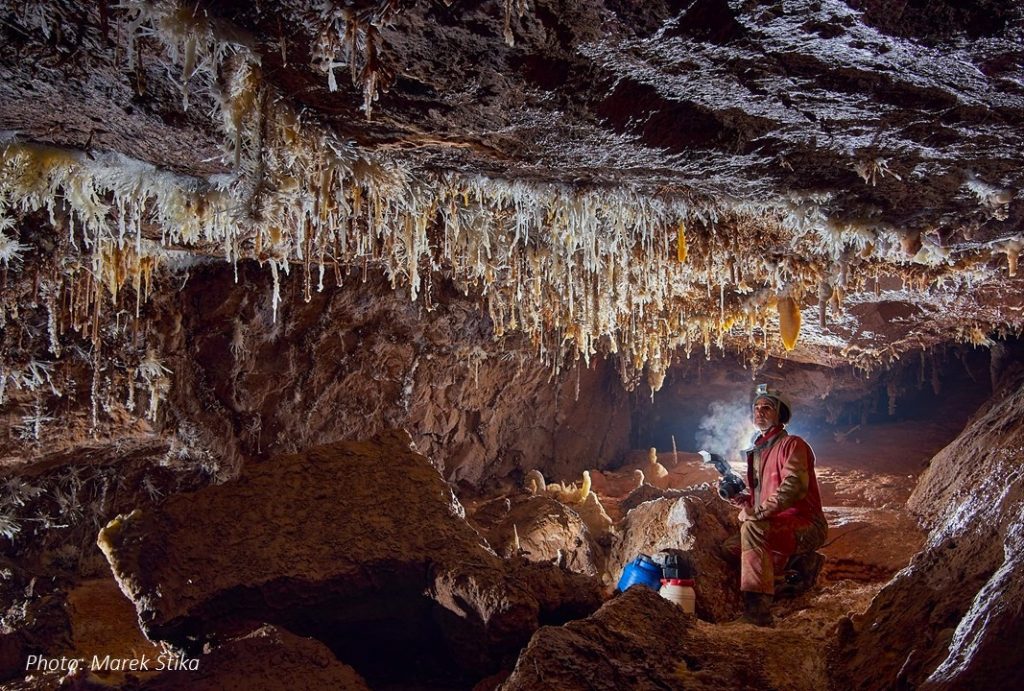
- Applied Field Skills: Experience in cave fauna & karst habitats monitoring (including microclimate) to understand the assessment of cave biodiversity.
The curriculum bridges theoretical knowledge with practical field techniques to improve the understanding and conservation of cave fauna.
TARGET AUDIENCE
ISSB is open to 15 students worldwide targeting primarily (but not exclusively) to: BSc students (in the last years), MSc and PhD students (early stage and advanced) with background in biology, geology, environmental sciences, ecology, and nature conservation; practitioners, rangers of natural parks and other professionals working on environmental protection and conservation.
The summer school include a variety of activities combining specific theoretical classes and caving trips to provide in-depth insight into cave biology and karstology and build collaboration, communication, and research skills across related disciplines. Science areas covered includes:
- Biospeleology, cave microbiology
- Cave and groundwater ecology
- Morphological and physiological adaptations of subterranean fauna
- Methodology and techniques for collecting & monitoring cave fauna
- Tools for identifications and detection (i.e., morphology, DNA barcoding, eDNA from water and sediments)
- Karst hydrogeology and methods & techniques to study karst aquifers
- Karst aquifers monitoring
- Hands-on training on methods in field work
- Cave climatology & palaeoclimate
- Speleothem-based climate reconstruction
- Challenges in protection of subterranean habitats
COURSE STRUCTURE
The course spans 7 days of intense training through lectures, complementary laboratory-based practical sessions and field-trips. Each course day will consist of morning theoretical classes (3 – 4 h) and afternoon practical sessions (3 – 4h) with 2 coffee breaks.
TUTORS
The course will be taught in English by specialist in biospeleology, cave microbiology, karstology, climatology and cave management and protection:
- Dan Jones, New Mexico Tech (USA) Cave ecology and cave microbiology
- Sanda Iepure, University Babes Bolyai / Emil Racoviță Institute of Speleology (Romania) Cave fauna sampling & monitoring
- Maja Zagmajster, University of Ljubljana (Slovenia) Challenges in subterranean habitats protection
- Vasile Ersek, Northumbria University (UK) Karstology
- Virgil Dragusin, Emil Racoviță Institute of Speleology (Romania) Climatology
Course coordinator: Dr. Sanda Iepure
Contact: sanda.iepure@ubbcluj.ro
HOW TO APPLY
Please send a cover letter of 500-words regarding one of the following topics: karst, cave biology, paleontology, or cave protection and conservation in your home country and a CV till 30 June 2026 to sanda.iepure@ubbcluj.ro.
Participant’s selection criteria include:
- submission of an abstract or motivation letter demonstrating interest in the field
- prior experience/knowledge in cave biology and karstology (students with background in speleology)
- physical condition for cave fieldwork.
Accepted students will be selected by the organizers based on their registration and listed on the participant webpage on 1 July 2026. The registration fee will be paid after the acceptance date. The University Babes Bolyai is offering a participation certificate to recognize the involvement in the summer school and showcasing commitment and skills in cave monitoring methods.
COSTS
- Course fee: 250 EU
- Accommodation: Free of charge.
- Meals: local food catering, 40 EU/day (3 meals)
- Field trips: to and from caves from the organizers.
The fee cover: the support of the lectures, access to facilities in the lab, lectures ecquipments for afternoon sessions; transport to caves, coffee breaks.
Participants are expected to arrange and pay for their own travel to and from Ic Ponor. However, we provide a travel from Cluj Napoca and back by around 10 EU/pers. (see below).
Participants who require financial assistance for the payment of the registration/per diem amount can apply for a voucher/scholarship, adding a paragraph no longer than 200 words to your application package, stipulating the basis for your request and your commitment to the summer school engagement.
PAYMENT INSTRUCTIONS
The registration fee is 250 € and covers the support of the lectures, access to facilities in the lab, lectures equipment’s for afternoon sessions; transport to caves, coffee breaks.
Registration payment: https://plati.ubbcluj.ro/Event/Details/370
PRACTICAL INFORMATION’
- Accommodation. Hut with sharing of gender-matched 2-bed rooms in 8-bed cabins (note that these are close accommodations without substantial personal space). The classes will be at the Apuseni Natural Park (ANP) cottage, whereall facilities for presentations and laboratories are available.
- Meals. Are provided by local catering (40 EU/day). There is a kitchen available at the accommodation cottage and students are expected to participate to washing dishes (no dish-washer), and keeping the facilities clean. There are a limited possibilities for cooking since it is a mountain rescue hut.
- Lectures. Will be held in the Salvamont hut (morning sessions) and APN hut (afternoon sessions), a log cabin with facilities for laboratory work. The APN hut is 50 m apart, to the left side of the Salvamont hut.
- Internet facilities. Internet has very limited services, and Wi-Fi is available but expected to slow down. The Wi-Fi covers basic use, and should not be used for streaming or downloading, and any settings that automatically download updates should be turned off, in order to maximize use by all. Cell phones do not always work but the following networks are available in the area, Vodafone, Orange.
- Electricity. The electricity is available but the consumption should be kept as low as possible (i.e. computers turned off if not used). Portable power units that can be charged during the day, helpful and convenient for charging devices at night.
- Shopping. Both accommodation and lectures cottages are about 200 m from the center of the village where there is a small food shop. No ATM or banks are available within 70 km.
TRAVEL FROM CLUJ NAPOCA TO IC PONOR
We offer transport by van from Cluj Napoca to Ic Ponor (19 July, 2026) and back to Cluj Napoca (28 July 2026) for around 10 EU/person. The distance from Cluj Napoca to Ic Ponor is around 2h and can be considerably (>1 hr) delayed by temporary local road construction and traffic. For most of the drive there are alternative roads. We offer advice for booking s of flights to and from Cluj Napoca, which has an international airport (code CLJ). Alternatively, course participants can travel to and/or from Ic Ponor on their own and spend time there before and/or after the course (activities organized per request, see Outings and Additional Activities).
WEATHER
Ic Ponor is located in a mountain area (1200 m asl) and has a relatively continental climate. Air temperatures are highest in July, typically around (20-25°C) and drop during the night to 13-14°C. Rain is common (snow is possible, but unlikely).
https://www.accuweather.com/en/ro/rachitele/1-283246_1_al/july-weather/1-283246_1_al?year=2026
WHAT TO BRING
- sleeping pad and warm sleeping bag
- indoor slippers and sandals
- hiking shoes/boots or similar, caving boots, rain gears (waterproof jacket and pants)
- towels, any medication you may need (there is no pharmacy)
- sun glasses, water bottle and/or thermos (for excursion), daypack for excursions
- European plug adaptors (for US participants 110-220 V converter)
- Insects repellents and after bite
- For the caving trips during the course
- Caving boots, caving gear & overall (the caves are cold, around 5-8°C), gloves, helmet, extra flash light
- Caving equipment can be rented at request.
INSURANCE
The organizational type of this event is similar to that of a conference/workshop, where organizers are not responsible for your insurance. You need to organize any necessary insurance (health/accident) for yourself. Additionally, note the mountain conditions and the field trip requirements with associated potential risk factors for which participants must assume personal responsibility.
ORGANIZER
University Babes Bolyai (Cluj Napoca, Romania), Faculty of Biology and Geology, Department of Taxonomy and Ecology
OUTINGS AND ADDITIONAL ACTIVITIES
Summer school participants will have the opportunity to participate in organised outdoor activities as well as other specific activities in the ANP (ex. local food cooking, traditional wooded crafts of hand-made products, traditional houses visits), however arrangements will be available for those interested based on request:
- Engagement with local cavers, researchers, rangers, and park administration
- Cave field trips (technical caves available upon request at sanda.iepure@ubbcluj.ro
- Hiking opportunities in the Apuseni Natural Park (ANP)
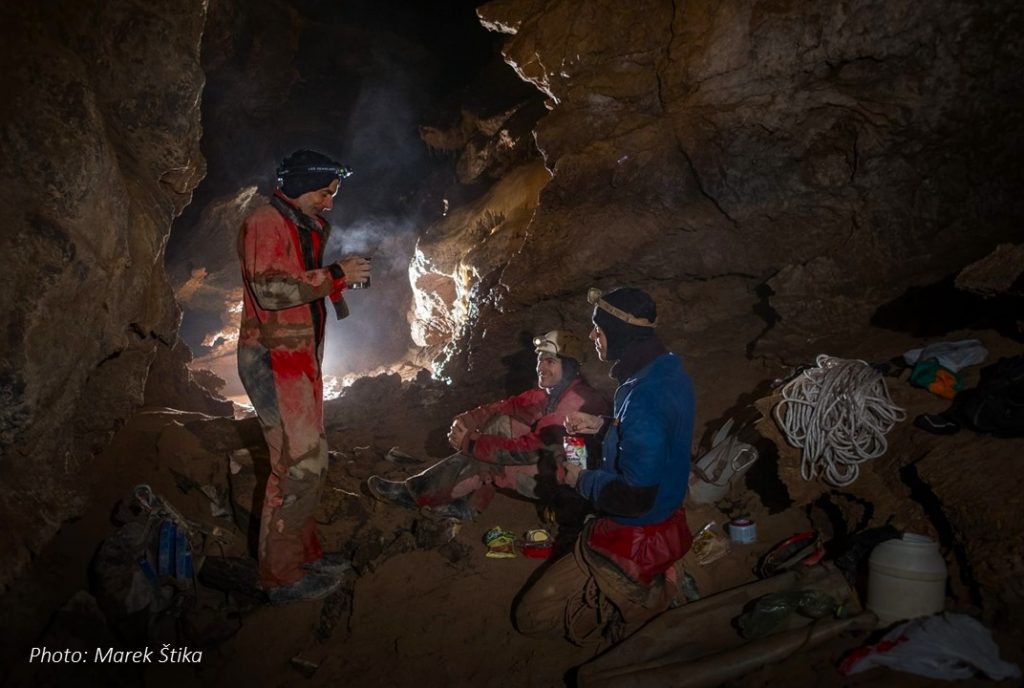

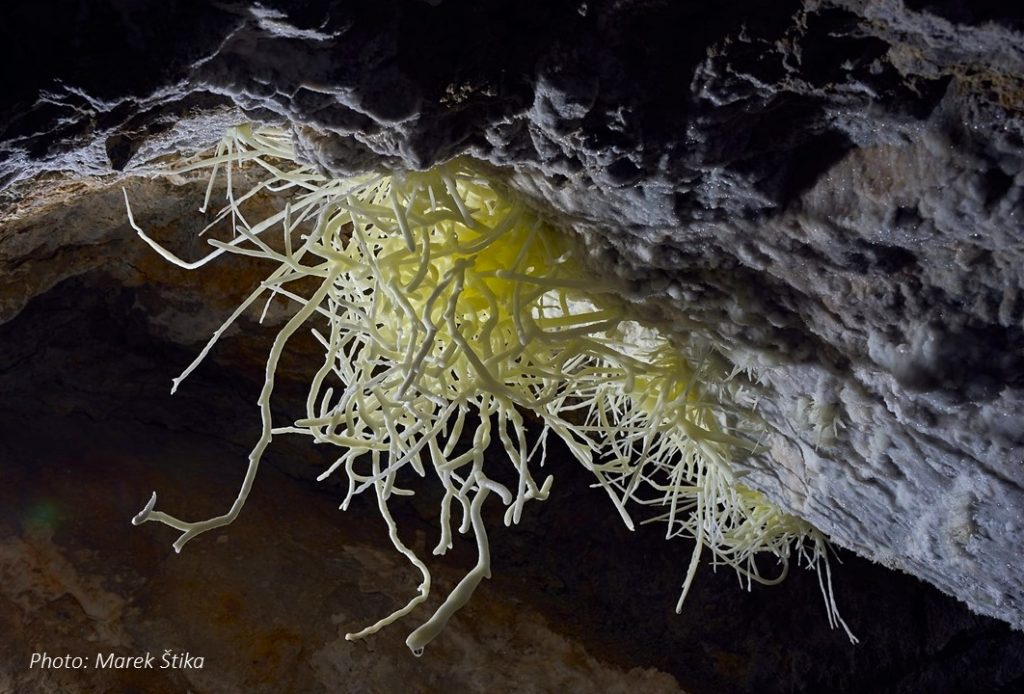
The summer school is organised with the financial support of the Natural Park Apuseni, Salvamaont Salvaspeo Cluj and Bihor and SubBioMon project
(Biodiversa+ , ERANET 26/2024, PN4-P8-235/01.04.2024)
